Showing posts with label gardening. Show all posts

Tuesday, April 19, 2011

What is Organic Gardening and How to Get Started

Organic Gardening is essentially gardening the way nature would. Too often non-organic gardeners attempt to force a garden to comply with their wishes, contaminate the soil, vegetables and water table with pesticides and fertilizers, and spend a hefty amount for expensive soil treatments and exotic or hybrid plants. All of these might result in a pretty garden and big produce, but at a dangerous price.

Organic Gardening, on the other hand, is a basic method of gardening that was used for thousands of years prior to the invention of chemical treatments. It protects people and animals from the dangers of chemicals leeched into drinking water and sprayed on vegetables, it reuses kitchen and yard waste, and it maintains the natural diversity of native wildlife.

The keys to organic gardening include staying away from chemical pesticides and fertilizer, using organic compost, and gardening with plants suited to your local environment.

The basics steps to start organic gardening are:

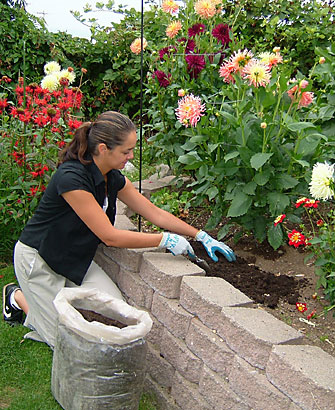
Create Natural Compost. Building a compost heap is a basic step that you can take at any time. It basically turns your kitchen and yard waste into a pile of nutrient rich soil which you can separate out and spread around your garden plants.

You will need to start with some loose dirt, a bunch of worms, grass clipping, fall leaves, and kitchen waste. Simply pile all of these together and using a shovel or other turning device, mix the items up on a regular basis. Do not add meat or animal fat to the pile. Speed up the process by making sure large leaves and vegetables are chopped into smaller pieces first.

Use Natural Pest Control. There are natural ways to avoid the damage caused by garden pests. The solutions will vary based upon the problems you are encountering. Some natural solutions include the introduction of insects that prey upon insect pests, complete removal of roots of plant pests, and using fencing or certain edging plants to repel animal pests.

Since the problems and solutions vary greatly by location, soil type, amount of sun or shade, and types of plants, you will need to research your specific situation for the right type of pest control. A great place to start is OrganicGardening.com or your state agricultural outreach agency.

Buy Natural Fertilizer. The compost you are creating is one of the best fertilizers you can use on your plants. If you haven’t had time to develop any compost yet, you can purchase quality organic fertilizers. Many of these are specific to the type of plants you are growing. There is also the natural fertilizer that has been used for hundreds of years — manure. It is not a pleasant smelling fertilizer, and can increase the presence of mosquitos and flies, but it will help certainly help your garden grow if used appropriately.

Plant Native Plants. Plants that grow wild in your area are considered native plants. These have been a part of your local eco-system longer than people, they have not been brought from another region, and they will grow happily with little or no assistance.

These often are the wildflowers you see growing in unplowed fields or along the sides of country roads. They will reproduce themselves every year, either from seed or from root. Native plants are also suited to the local wildlife, and often are the food or shelter of choice for native birds and butterflies.
Time and effort are just about all that is needed to begin gardening organically. Making the switch will save you money and increase the health and environmental factors of your garden.


Monday, June 22, 2009

Fresh herbs are expensive to buy but simple to grow

Why should you grow your own herbs?

Fresh herbs add life to a variety of salads, vegetables, dressings, and meats, but many of us find it hard to keep fresh herbs on hand for several reasons. First of all, it is expensive and inconvenient to buy a whole package or bunch of an herb when you only need a small amount for a recipe. Then there is the freshness factor: they are already several days or weeks old when you buy them from the store and always seem to spoil before you can possibly use them up. Wouldn't it be great to pick just the amount you need when you need it without having to go to the store or pay for an entire bunch? You can! Even if you have no gardening skills, growing herbs inside or outside is easy and fun!

How to grow your own herbs

Decide where you want to put them. You can grow herbs in containers indoors or out or in an outdoor garden. Most herbs will grow in partial shade, but they will do better with at least 4 to 6 hours of sunlight each day.

If you plant your herbs in pots, they can be terra cotta, plastic, metal, or the foam pots that look like terra cotta but are light and less expensive. Be sure that your pots have adequate drainage at the bottom since you don't want the roots to sit in water. Pot shapes range from round to rectangular, so use whatever will work for your space. Choose pots at least twelve inches in diameter - smaller pots can't hold enough moisture on hot summer days.

Choose which herbs to grow. If you are not an experienced gardener, you may want to stick to just three or four herbs so you don't get overwhelmed all at once. You can always add more later. Several easy to grow, low maintenance herbs are available, so personal preference is the deciding factor. Some herbs that are recommended for the beginning gardener are: basil, parsley, mint, thyme, dill, chives, and sage.

Kitchen Herbs: Rosemary
Buy at AllPosters.com


Planting your herbs. You can plant seeds, or buy small plants to re-pot into your garden. The cost of a small plant is usually about the same as a packet of seeds, which will grow many plants. If you only want one basil plant and it is the right season to find plants to buy it is probably smarter to just buy the plant - it is less work then planting seeds. If you want a lot of plants or if there are no plants for sale in your area at the time, you will want to plant seeds.

Planting seeds. One of the easiest ways to plant seeds is to push a drinking straw into the soil about ½”, remove the dirt and then slide the seed right down the straw and cover it up. Leave a 1 ½ to 2” space between each seed, add some water, and set the container in an area with some direct sunlight.

If it is cold out and you plant your herbs indoors, you might want to create a mini-greenhouse for them.To do this insert a long straw in the middle of the container and measure enough clear plastic wrap to cover the circumference of the pot. Wrap it around and secure it to the top of the straw with a small rubber band or some tape. This will help to keep the plants warm and speed up their growth.

Check your plants every day as they grow. Keep them in good light and water as necessary - when soil is dry to the touch. In hot climates, they will need to be watered every day unless it rains.

Harvesting your herbs. Once they’ve reached maturity, you can harvest leaves as needed. Simply snip off what you need with scissors. At the end of the season, you may want to harvest all the herbs for preserving for the winter.

For more frugal food ideas, see http://www.frugal-living-now.com/frugal-food.html

Monday, March 9, 2009

Starting the Garden - Part 1

We started our garden today! The weather has been so beautiful - 70's and 80's for the past
three or four days. It really puts one in the mood for growing things! We didn't plant anything outside, though - we know it will get cold again before spring arrives for real.

Steve bought some little starter greenhouses that had pellets of soil in them that were as flat as coins. We added water and they got huge! So now we have these little towers of soil (they are wrapped in some kind of mesh to keep them from falling apart) that we planted the seeds in. With luck, we will have strong, healthy plants to put out into the garden (that we still have to get ready) in about 6 weeks. I haven't had a garden since I was 24; I am pretty excited! (I tried a couple of times in Florida, but never could grow anything but jalapeno peppers, there...)

We planted:
  • Orange Fleshed Purple Smudge, an heirloom tomato from Baker Creek Heirloom Seeds

  • Red Grape tomatoes

  • Rutgers tomatoes

  • Beefsteak tomatoes

  • Cucumbers

  • Watermelon

  • Yellow Star hot peppers (a free trial seed from Baker Creek)

  • Sweet Chocolate sweet pepper (brownish-purple heirloom pepper)


    We will be planting more things directly outside when the time comes - beets, squash, okra, etc.